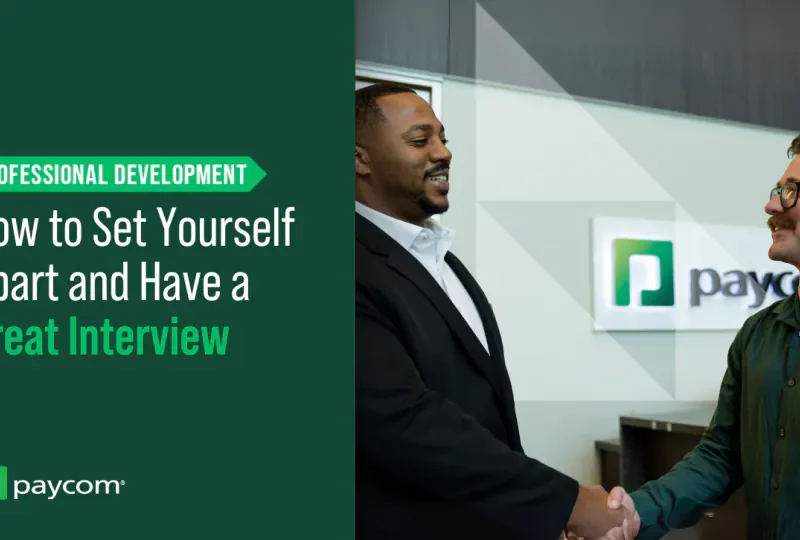
Creating a successful and productive team starts with finding great employees who fit your organizational culture. Even though you may get hundreds of job applications and interested parties, hiring managers can’t just guess who the best candidate is for the job by reading cover letters and resumes. Studies show that 85% of applicants lie on their resumes. This is where the art of the interview comes into play.
A study found that hiring managers decide within the first 90 seconds of an interview whether they want to hire a job candidate, even though the average interview lasts for 20 minutes. To make sure you do everything you need to do and make the right choice, you need to ask the right questions to fully understand and evaluate a candidate. In these 12 parts, we’ll talk about the best interview questions to ask job candidates and give you some “pro tips” along the way.
Follow ups: What do you hope to get out of this job that you didn’t get at your last one? Were there certain relationships that played a role in your decision?
There can be several reasons why a job seeker leaves an employer. Finding out why the applicant left their last job or wants to leave can tell you a lot about the kind of worker they would be for your company. This could be because of unhappy work, bad relationships with coworkers, or bad leadership.
The interviewer can tell how loyal the candidate is by asking what they value and what they are willing to give up to stand up for what they believe in. They know what kind of company they want to work for and will go out and find it, even if they left because of bad management or a bad work environment. If, on the other hand, their reasons are bad, how they talk about their former bosses and coworkers will show how professional and polite they are.
Job-hopping might not look good on a resume, but there’s nothing wrong with someone who knows when to leave a job and look for something better. The important things are whether they were able to leave on good terms, whether they still have problems with their former boss, and how they plan to fix things with the new chance.
Find out more about the reasons they gave for leaving to get a better idea of the kind of worker they’ll be for your company.
Not everyone is going to have deeper reasons that showcase their level of loyalty or potential issues. Professionals have to move on sometimes because they’ve reached their creative limit, need a better-paying job to support their family, or just want to try something new. Regardless of their reasons, allow the candidate to be as open and honest as they want to be.
Tell us in the comments what your favorite question is to ask a job applicant and how you choose the best one.
Employee loyalty and retention are crucial for building a strong company culture and maintaining business continuity, Asking the right loyalty interview questions will help assess which candidates are likely to commit long-term,
This article provides 15 sample loyalty interview questions to help identify candidates who will engage meaningfully with your company’s mission and values.
Why Assessing Loyalty Matters
High turnover disrupts operations, lowers productivity, and increases hiring costs. Employees who frequently change jobs signal low loyalty. Identifying candidates committed to your company long-term during the interview process is key.
Loyal team members are more likely to:
- Remain in their roles longer
- Have higher job satisfaction
- Make meaningful contributions
- Become brand advocates
Asking targeted loyalty questions will provide insight into what motivates candidates professionally and personally to determine organizational fit.
15 Sample Loyalty Interview Questions
Here are 15 questions to gauge loyalty when interviewing candidates:
Open-Ended Questions
-
What typically motivates you to stay with an employer long-term?
-
Tell me about a time you turned down a job offer. What factors led to that decision?
-
Describe a situation when you were dissatisfied in your job. How did you handle it?
-
What could your current employer do differently to increase your loyalty and retention?
-
How would you respond if a competitive job offer came your way after recently starting a new position?
Scenario-Based Questions
-
Your manager overlooks you for a promotion you felt you deserved. How do you respond?
-
If your values no longer align with the company’s mission, what steps would you take?
-
How would you handle a conflict with your manager regarding your career development and growth opportunities?
Culture Fit Questions
-
After learning about our company culture and values, do you see yourself engaging meaningfully with our mission long-term?
-
What factors are most important to you in assessing company culture and values for long-term fit?
-
How could you see yourself contributing to our company culture if hired?
Looking Ahead Questions
-
Where do you see yourself professionally in 5 years? Does this align with our company’s goals?
-
If you were hired for this role, what steps would you take to ramp up quickly and maximize your long-term impact?
-
What interests you about this role, and why do you think you’d thrive here long-term?
-
How will you determine if this company is the right cultural and professional fit for you?
What to Look for in Responses
Top candidates will demonstrate loyalty by:
-
Providing reassurance about fit, excitement for the role, and intent to commit long-term
-
Conveying their values align with company culture and mission
-
Outlining career goals that map to company objectives
-
Describing how they would proactively address issues before considering leaving
-
Highlighting factors most important to them for engagement and retention
By hiring loyal candidates who align with your culture, you can build a dedicated team and foster an environment of stability. Asking the right interview questions will help determine which applicants have the loyalty and commitment you seek.
How to Answer Behavioral Interview Questions Sample Answers
FAQ
How do you demonstrate loyalty in an interview?
How do you answer what does loyalty mean to you?
What are some behavioral interview questions?