Not paying your electric bill can lead to serious consequences An unpaid electric bill will eventually result in your power being shut off This can leave you without electricity, heat, internet, and other vital services. Here’s a detailed look at what happens when you don’t pay your electric bill and how to avoid potential problems.
Consequences of Not Paying Your Electric Bill
Late Fees and Interest Charges
If you miss paying your electric bill by the due date, you will incur late fees The late fee amount varies by utility company but is typically around 5% of the total unpaid bill. In addition to late fees, you may be charged interest on the unpaid balance. This can rapidly increase the total amount you owe
Disconnection Warning
If a bill remains unpaid for an extended period, the utility company will send a disconnection warning. This gives a date by which you need to pay the past due amount or risk having your power shut off. The disconnection warning is usually sent 10-15 days before the shut off date.
Power Shut Off
If you still have not paid your overdue electric bill after receiving a disconnection warning, the utility company has the right to disconnect your service. This leaves you without electricity in your home. Power shut offs usually occur 15-30 days after the initial missed payment.
Reconnection Fees
If your electricity gets shut off for nonpayment you will need to pay a reconnection fee. This covers the utility company’s costs for sending a technician to restore your power. Reconnection fees often start around $30 but can go up to $100 or more depending on your provider and location. You’ll also need to pay the full past due balance on your account.
Credit Score Damage
Unpaid electric bills may be reported to credit bureaus. Having an outstanding balance or getting sent to collections can cause your credit score to drop significantly. A negative mark like this can stay on your credit report for up to 7 years.
Legal Action and Collections
For large overdue balances, the electric company may pursue legal action to recover the amount owed. This can involve filing a claim in small claims court. Unpaid balances may also get sent to a collections agency, who will attempt to collect the debt on behalf of the utility company. Both legal action and collections can badly harm your finances and credit score.
How Utility Companies Handle Nonpayment
Electric companies follow a fairly standard process when customers do not pay their bills on time:
-
Bill Sent: The initial bill is mailed with a due date, typically around 15-30 days out.
-
Late Notice: If the bill remains unpaid after the due date, a late notice is sent requesting immediate payment. Late fees may be applied.
-
Disconnection Warning: 10-15 days before service shut off, a disconnection warning is issued if the bill remains unpaid.
-
Shut Off: On the date specified in the disconnection notice, technicians will be dispatched to manually disconnect service if payment has still not been made.
-
Collections: Any account that continues to go unpaid may get sent to collections 30 days or more after initial disconnection.
Most electric providers are willing to work with customers who are struggling to pay their bills. Contact them as soon as possible to discuss payment plan options and avoid shut off.
Options If You Can’t Pay Your Electric Bill
Here are some options to consider if you do not have the funds to pay your electric bill:
-
Payment Plan: Contact your utility to arrange a payment plan that spreads repayment over several months. Most are willing to do this.
-
Payment Extension: Request a short-term extension on your due date if you need a bit more time to pay the amount owed.
-
Energy Assistance: Federal and local programs exist to help lower income households pay energy bills. See if you qualify for HEAP, LIHEAP or other assistance.
-
Budget Billing: Ask your provider about budget billing to get a fixed regular monthly amount instead of variable bills. This helps manage costs.
-
Financial Aid: Churches, charities and nonprofits may be able to provide one-time financial help for households struggling with electric bills.
-
Reduce Energy Use: Limit electricity use as much as possible to keep costs down until you can get back on your feet.
-
Negotiate: Politely ask about any bill reductions, forgiveness, or waiving of fees and interest charges you may be eligible for.
Long-Term Impacts of Not Paying Electric Bills
Beyond immediate shut off and late fees, not paying electric bills can have lasting impacts:
- Severely damaged credit, 7+ years to recover
- Legal judgments that allows wages or accounts to be garnished
- Limited options for where you can rent or live due to bad rental and utility history
- Potentially having difficulty opening bank accounts or getting other services
- Higher costs due to deposits required to get utilities turned back on
- Compound late fees if issue persists across multiple months
It’s critical to address nonpayment promptly and avoid an endless cycle of disconnection warnings, shut offs and penalties. Unpaid electric bills can quickly snowball into a much larger problem.
How to Prevent Issues from Unpaid Electric Bills
Here are some tips to avoid running into trouble with missed electric payments:
- Carefully review monthly statements and pay on time each cycle. Set up alerts.
- Contact provider immediately if you anticipate difficulty making a payment.
- Enroll in budget billing to get predictable, manageable electric costs every month.
- Seek out financial assistance programs like LIHEAP if money is tight.
- Try to trim energy usage and lower your monthly power bills.
- If moving out, make sure to close your electric account properly and pay any remaining balance.
- Maintain good financial practices overall so you have a cushion for essential expenses like utilities.
Paying electric bills on time takes diligence, but it’s crucial to avoid power shut offs and other problems. Know your rights as a customer and fees should be reasonable. Communicate with providers early about any payment issues. They want to keep your business and will often work with customers to reach solutions. Consistently paying electric bills should be a top priority to keep essential services running and maintain good financial standing.
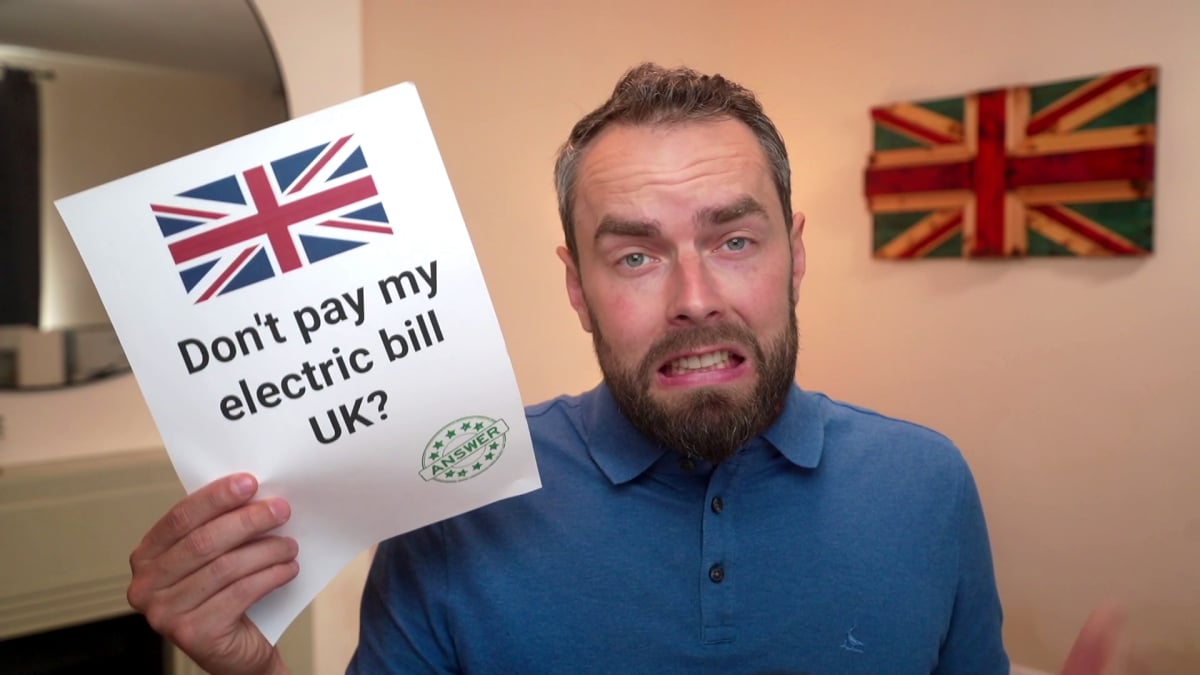
What Happens If I Don’t Pay My Electric Bill? (Worst Case Scenario)
FAQ
Does not paying electric bill affect your credit?
Quick Take: On the Surface, paying your rent, utilities, and medical bills on time won’t improve your credit score because these bills aren’t usually sent to credit bureaus. But if they’re very late or in collections, they’ll likely get reported and affect credit scores negatively.
What happens if you don’t pay your electricity bill in the USA?
WHAT CAN HAPPEN WHEN YOU DON’T PAY BILLS? Utility service may be shut off. Services such as electric, gas, or your cell phone maybe turned off if you don’t pay bills. Also, you may not qualify for energy assistance if you owe money to the utility company.
How late can you be on your electric bill before they shut it off in California?
Shut-Off TimelineDays from Bill Issue DateAction TakenDay 27$10 late fee assessed on unpaid amounts. Day 3610-day shut-off notice sent and $15 late fee assessed. Day 4448-hour shut off notice sent. Day 46Utilities shut-off.
What happens if I don’t pay my bill?
Consequences of Missed Bill Payments Late fees. Phone, internet, or utility service disconnects or disruptions. Credit score damage. Inability to obtain new student loans if you’re behind on federal loan payments.
What happens if you don’t pay your electric bill?
Since the pandemic, many U. S. citizens have fallen behind on their utility bills. At the end of 2020, the U. S. utility debt was an estimated $32 billion. If you don’t pay your electric bill for a few months, the company that you pay might cut you off. Usually, they will not do this after one late payment.
What if I don’t pay my utility bill?
Try these ways to get help. Roughly 1 out of 6 American households struggles to pay for utilities, such as electricity, oil, and gas. If you don’t pay your bill, it could lead to extra fees, credit score damage, and service disruptions. You could get utility bill support from government programs along with many nonprofits.
What happens if I pay my electric bill late?
If you are paying electric bills late regularly or even once, you should contact your provider. If needed, they may be willing to adjust your due date to help you make on-time payments. After all, they want to get paid for the services provided. So what happens if you pay your electric bill late? At first, nothing may happen.
What if I’m still having trouble paying my bills?
If you still can’t pay your bills after making the changes, you should call the utility company and let them know. A utility company can’t legally turn off the power in the winter in many northern states. But that doesn’t mean you won’t have to pay the bill at some point.
What happens if I miss a payment on my energy bill?
The energy company may ask for a security deposit on your account to keep providing services if you keep paying late. Additionally, your internal credit rating with the energy company can be damaged. If your late payments eventually turn into missed payments, then the energy provider may issue a disconnect order.
What if I can’t pay my utility deposit?
The company will hold the deposit in case you can’t pay in the future. If you’re in danger of losing utility service, your first step is to contact your utility company. The customer service rep should be able to point you in the direction of state, local, and federal resources that can help you keep your services.
