In 2015, Google was developing a new bill pay service called “Pony Express” to be integrated directly into Gmail This service would have allowed Gmail users to receive, view, and pay bills right within their email inbox. While Pony Express never fully launched, it highlighted Google’s interest in streamlining bill management and payments
The Idea Behind Pony Express
According to reports in 2015, Google was working on an internal project code-named “Pony Express” to add bill pay capabilities to Gmail. The goal was to make paying bills faster and easier by enabling users to:
- Receive bills directly in Gmail rather than through the mail
- View bill details, amounts due, and due dates right in the email message
- Pay the bill immediately by clicking a link in the email and entering payment info
- Pay using a credit/debit card, bank account, or other payment method
- Automate and schedule recurring bill payments
- Forward bills to others, like roommates, to share or divide payments
Essentially, Pony Express aimed to cut out the hassle of tracking bills from multiple mailboxes, websites, or paper statements and pay everything seamlessly through one interface – Gmail.
Google was partnering with third-party biller companies to handle sending billing emails and processing payments on behalf of utilities, telecoms, lenders, and other service providers
The service was slated to launch in 2015, but never fully rolled out. However, it demonstrated Google’s early interest in integrating bill pay tools into its popular email platform
Benefits of Bill Pay in Gmail
Google Pony Express highlighted some potential advantages of managing bills directly in email:
-
Convenience: Receive, view, and pay bills in one place rather than across multiple sites or statements.
-
Organization: Email organizes bills chronologically and allows easy searching. Labels and filters help categorize by biller.
-
Sharing: Forward bills or payment links to divide up bills with others.
-
Reminders: Gmail provides prompts on unread messages or upcoming due dates.
-
Accessibility: Email provides universal, on-the-go access on all devices.
-
Time savings: No need to visit individual biller sites or write and mail payments.
-
Eco-friendly: Reduces paper statements and need for postage.
For busy consumers juggling many bills, having a unified inbox solution could make bill management less tedious.
How Pony Express Compared to Other Bill Pay Options
If it had fully launched, Google Pony Express would have joined existing bill payment options like:
-
Bank bill pay – Many banks offer bill pay services for account holders, allowing payments directly from a checking account. This requires linking billers or entering details manually.
-
Biller websites – Most companies accept online payments through their own websites, but this requires visiting each site individually.
-
Mobile apps – Some biller apps centralize bills and accept mobile payments. Adoption is limited to larger billers.
-
Retail walk-in – Stores like Walmart allow in-person bill payments for a fee.
-
Lockbox services – Third parties receive and process paper bills then allow online viewing and payment.
-
Aggregators – Services like Plastiq aggregate bills from various providers into a single payment platform.
Pony Express offered the convenience of email combined with a centralized dashboard for all bills. The big question was whether customers would prefer using Gmail over existing bank and biller options.
The Future of Bill Management and Payment
While Pony Express never fully got off the ground, bill pay innovation continues in areas like:
-
Digital mail services that receive both bills and general mail in digital form
-
Biller APIs that allow seamless integration of bills into finance apps and contactless payments
-
Swift payment rails like Zelle, PayPal, and card networks that facilitate instant bill payment
-
Aggregators that pull in bills from multiple providers for unified management
-
Mobile wallet bill pay integrations like Apple Pay and Google Pay
-
Automation through virtual assistants, chatbots, or AI to track, prompt, and pay bills
-
Remittance data protocols to transfer rich bill details during payment
Gmail bill pay could potentially resurface if any of these technologies provide a path for Google to improve the billing experience within email. Pony Express demonstrates Google’s longstanding recognition that bill pay is a friction point for consumers that technology may help solve.
Google’s Pony Express initiative in 2015 showed an early prototype for enabling bill pay directly within Gmail. While it never fully launched, it provided valuable insights into how email could facilitate easier bill organization and payment. Bill management remains a key pain point that financial technology continues trying to simplify through automation, APIs, integration, and consumer-centric apps. Email-based bill pay may still emerge as an innovation that sticks in the future.
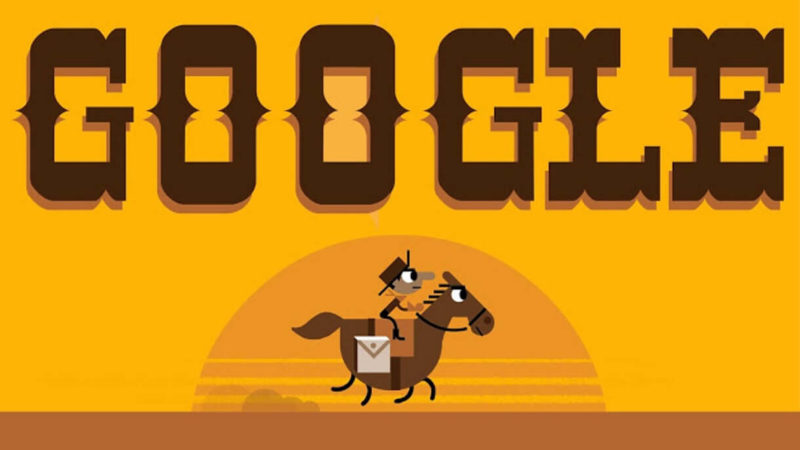
Google to Unveil Pony Express: The New Way to Pay Your Bills
FAQ
What is bill payment in Google Pay?
Pay a bill On your mobile device, open the Google Pay app . Tap Pay Bills. Type in the name of a biller. From the search results, tap the name of the biller. Make payment.
How do I play Pony Express on Google?
You’ll see that you can move up and down to collect the letters. But if you hit anything, like a rock or a cactus, you’ll fall off your horse and lose some of the letters you’ve collected. You can collect up to 100 letters in this game, but it’ll take fast reflexes on your part.
