Paying off credit card debt is a common financial goal for many people. With high interest rates and revolving balances credit card debt can quickly snowball out of control. When you’re looking for ways to pay down your balance faster you may wonder – can I use one credit card to pay off another?
The short answer is – not directly. You typically can’t use a credit card to pay your monthly bill on another card. However, there are a couple indirect options, mainly balance transfers and cash advances. While these can allow you to pay off one card with another, they come with risks and fees you’ll want to consider.
Below we’ll explore in more detail
- The pros and cons of using a credit card to pay another credit card
- What options you have to pay a credit card with a credit card
- Alternate approaches to paying down credit card debt
The Risks of Paying a Credit Card with a Credit Card
The desire to use one credit card to pay another often stems from a hope to save on interest rates or earn rewards. For example:
- You may want to transfer a balance from a high APR card to one with a lower introductory rate.
- Or you might think you can rack up points and miles by charging your monthly bill to a rewards card.
While these goals are understandable, there are risks to understand before paying a credit card with a credit card.
You Won’t Earn Rewards
First and foremost, you won’t earn bonus rewards by charging your credit card payment to another card. Balance transfers and cash advances don’t qualify you to earn points or cash back.
Credit card companies view these transactions as debt consolidation, not regular purchases. So don’t expect an easy way to reap rewards while managing your accounts.
You May Accrue More Debt
When using one credit card to pay another, it’s very possible you’ll end up deeper in debt. Here are some of the pitfalls to watch for:
-
Balance transfer fees – Most balance transfers incur a 3-5% fee based on the amount transferred. So a $1,000 balance transfer may cost you $30-$50.
-
Cash advance fees – Cash advances often have fees of around 5% of the amount borrowed or $10, whichever is greater. The fees can add up quickly.
-
Higher interest rates – Cash advances typically carry higher APRs than regular purchases. The rate may be 25% or higher, even for introductory balance transfer offers.
-
Accruing interest charges – Cash advances begin accruing interest immediately, with no grace period. This can exponentially increase your total interest costs.
As you can see, while you may lower your interest rate temporarily with a balance transfer, you aren’t escaping credit card interest entirely. Make sure to run the numbers to confirm you’ll save money in the long run.
You May Harm Your Credit
Wielding credit cards to pay off other cards also risks harming your credit if not done cautiously. Here are some potential credit impacts:
-
Applying for a new card will result in a hard inquiry, which could temporarily drop your scores around 5 points.
-
Opening a new account will lower your average account age, also potentially decreasing your credit scores.
-
Maxing out cards with cash advances may hurt your credit utilization ratio, a key factor in your scores.
-
Missing payments on the new balance transfer card could be detrimental. Be sure you can pay the monthly minimum.
Overall, you’ll want to weigh the credit tradeoffs. While you may damage your credit initially, over time repaying your debts should have a positive effect. Paying down balances can improve your credit utilization and payment history.
Options to Pay a Credit Card with a Credit Card
If you understand the risks, you still have a couple options to pay off a credit card using another credit card: balance transfers and cash advances. Let’s explore how each one works.
Balance Transfers
A balance transfer allows you to move debt from one card directly to another. Most balance transfer offers charge a 3-5% fee, but provide 0% intro APR for 6-15 months.
Here are some key things to know about balance transfers:
- Only the amount transferred will be interest-free, new purchases will accrue interest.
- You’ll need good credit, usually 690+ FICO, to qualify for the top 0% intro APR cards.
- Transfers typically take 2-3 weeks to process once initiated.
- You cannot transfer a balance to a card from the same issuer. For example, you can’t go from one Chase card to another.
Balance transfers can save you substantially on interest if paid off during the promotional period. But have an exit strategy and know the rate after the intro terms expire.
Cash Advances
A more expensive way to pay a credit card with another is through a cash advance. Here’s how cash advances work:
- You use a credit card to withdraw cash from an ATM or bank.
- You then deposit the money in your checking account to pay your monthly bill.
The major catches with cash advances include:
- Transaction fees ranging from 5% of the amount borrowed or $10.
- No interest-free grace period – interest accrues immediately.
- High APRs, often 25% or more.
Cash advances also do not earn rewards. Overall, this is an extremely costly way to pay off a credit card that should generally be avoided.
Alternatives to Pay Off Credit Card Debt
If you don’t feel comfortable using one credit card to pay another, plenty of alternatives exist to pay down your balance. Here are some options to consider instead:
-
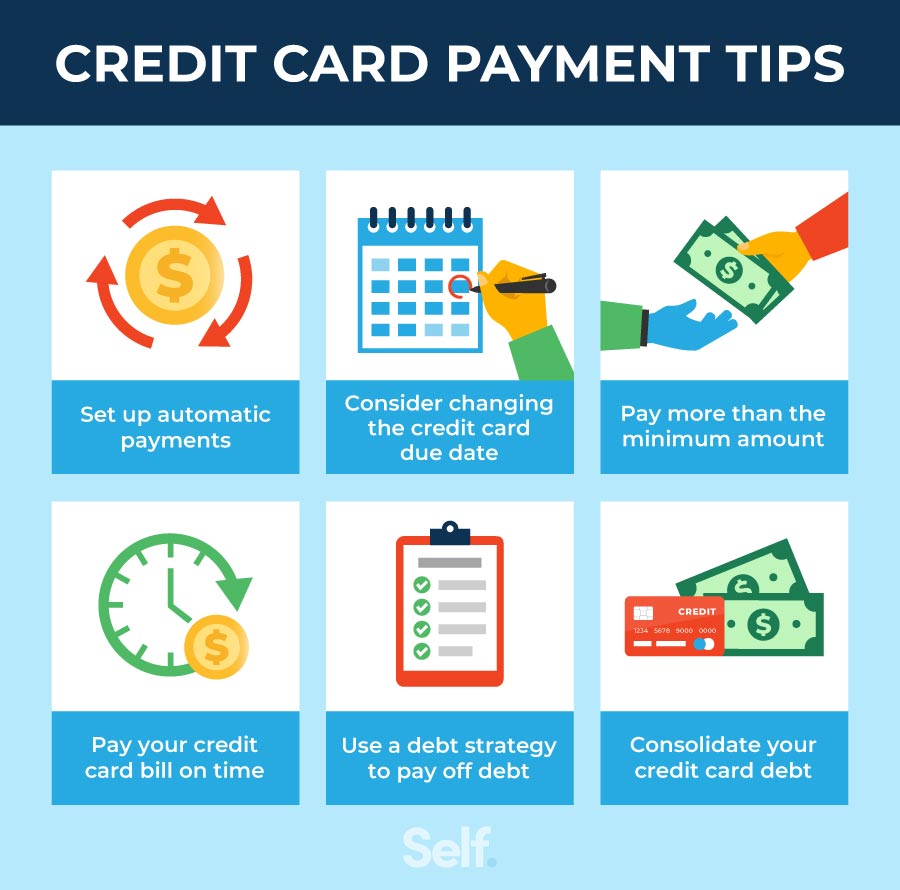
Debt snowball – Focus on paying off your highest rate cards first while making minimums on the others. Once the first card is paid off, roll that payment to the next debt.
-
Debt consolidation loan – An unsecured personal loan or secured debt consolidation loan can provide lower interest rates to pay off credit cards.
-
Credit counseling – Non-profit credit counseling services can help negotiate lower rates and design a payment plan.
-
Debt management plan – A DMP provided by a credit counseling agency lets you consolidate debt into one monthly payment.
-
Bankruptcy – Filing for Chapter 7 bankruptcy liquidates eligible debts, while Chapter 13 restructures debts into a 3-5 year repayment plan.
-
Balance transfer card – As mentioned earlier, a 0% balance transfer card lets you pay off debt over time without interest.
-
Side hustle – Earning extra cash on the side through freelancing, rideshare driving, etc. gives you more money to pay down balances.
The best approach depends on your financial situation. Avoid options that would add more debt. And focus on changes that will help manage spending long-term.
Key Takeaways on Paying Credit Cards with Credit Cards
While you typically can’t directly pay one card with another, some indirect options exist. Key tips on using a credit card to pay off a credit card:
-
Balance transfers and cash advances allow you to consolidate debt onto a new credit card.
-
However, fees and interest may accumulate, potentially increasing your total balance.
-
You won’t earn rewards on balance transfers or cash advances.
-
Paying with credit comes with risks like hurting your credit or going deeper into debt.
-
Consider alternatives like debt snowball, balance transfer cards, personal loans, or credit counseling.
-
Focus on long-term changes to spending and budgeting habits to avoid future debt.
Paying off credit card bills with another credit card can provide narrow benefits. But it likely won’t solve the underlying issues that led to racking up debt. With smart money management and disciplined payment strategies, you can become debt-free without opening more credit cards.
Can you pay credit card bill with another credit card?
FAQ
Can you use a credit card to pay another credit card?
Can I pay bill from one credit card to another?
Does it hurt your credit score to pay a credit card with another credit card?
Is it smart to pay off one credit card with another?
Can I pay a credit card bill with another credit card?
While paying your credit card bill with another credit card is possible, you may want to ask yourself whether overspending is the root problem that should be addressed. It’s possible to pay a credit card bill with a credit card using a cash advance or balance transfer. Cash advances can be costly, and balance transfers aren’t immediate.
Can I use a credit card to pay my bill?
The only ways you might be able to use a credit card to pay your bill are through a balance transfer or cash advance, but they could come with fees that add to your debt, among other considerations. So before you make any decisions, it’s important to understand your options. What you’ll learn:
Can I pay off my credit card balance with another credit card?
You can’t pay off your existing credit card balance with another credit card. However, you may be able to transfer the balance to another card with a lower interest rate. Credit card companies won’t allow you to pay off your existing balance with another credit card.
Can you pay another credit card bill with a rewards card?
Typically, a cardholder cannot pay another credit card bill with a rewards card, in order to earn points. Points are typically only earned on eligible purchases and are not earned on balance transfers nor any cash-equivalent transactions, such as money orders or prepaid cards.
Can I use one credit card to pay off another?
When you’re transferring a balance, you can use one credit card to pay off another. You can’t pay direct monthly payments for one card with another card. It’s possible to take out a cash advance on one credit card to pay off another, but it’s not a good idea.
Can you pay a credit card with cash?
While there are a few options, paying your credit card bills with cash is the only way to avoid extra fees and interest. If that’s not a possibility, look into using a cash advance or balance transfer to help you get your costs under control. Can I use a credit card to pay another credit card?
