The GI Bill is an invaluable benefit for veterans pursuing higher education But one common question is – when does the GI Bill actually pay out? Understanding the GI Bill payment schedule can help you plan your finances while in school
GI Bill Payments are Monthly
The GI Bill pays beneficiaries on a monthly basis, after each month of enrollment has been completed. So if you start classes on September 6th, your first payment would arrive around October 1st, covering the month of September.
The exact timing varies between the 1st and 10th of each month If you’ve signed up for direct deposit, expect the funds in your bank account within 7-10 business days of verifying your enrollment. With paper checks, it takes approximately 14 days after verification
One aspect that confuses many new GI Bill users is that you don’t receive the first payment until after finishing your first month of classes The VA pays beneficiaries at the end of each month, not the beginning
So that initial period from the class start date until the end of the month needs to be covered out-of-pocket or with financial aid. Just be aware that the GI Bill works on a reimbursement basis – you must complete the month first before receiving the payment.
Why the Delay for First-Time Users?
Many first-time GI Bill beneficiaries report waiting longer than one month for that initial payment. Delays of 6-8 weeks are not uncommon.
This happens because the VA needs to confirm your eligibility and set up payment processes for new users. Even if you’ve submitted your paperwork months in advance, there can still be a longer wait for that first check. Just plan accordingly.
One way to minimize delays is setting up direct deposit when you first apply. Paper checks take longer to process and mail out. Direct deposit involves fewer steps and gets the money in your account faster.
GI Bill Housing Allowances
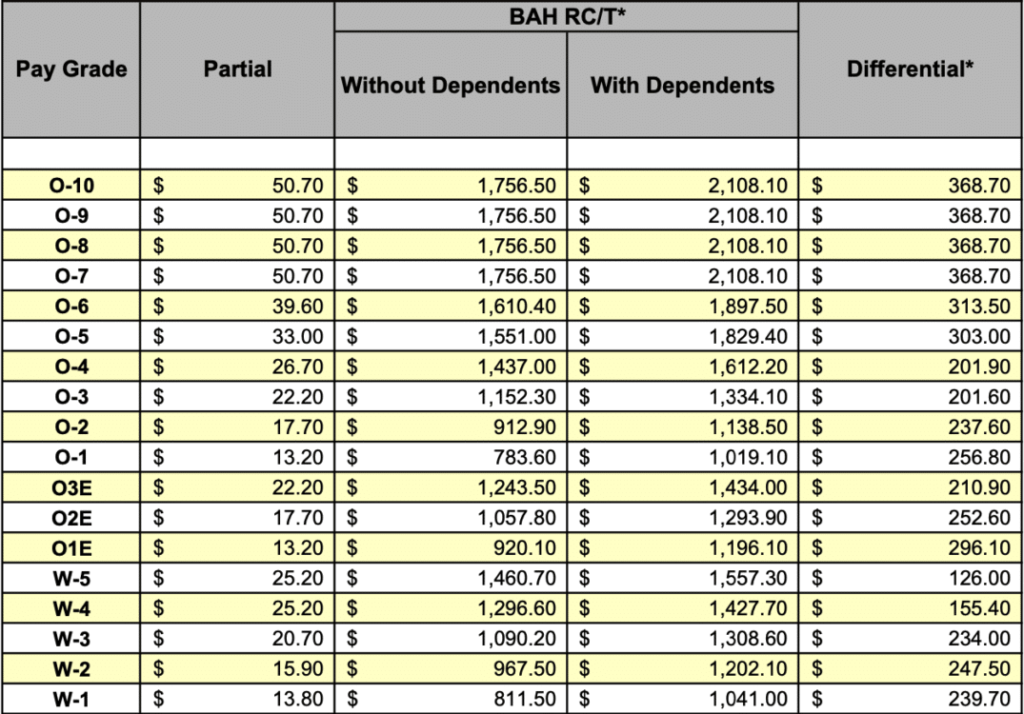
One portion of the Post-9/11 GI Bill is the monthly housing allowance. This money helps cover your living expenses while enrolled in school.
Much like the overall payment, housing allowances are paid at the end of each month after completing classes. These are prorated if your start/end dates fall mid-month.
For example – if you start classes on August 19th, your August housing allowance would only cover August 19-31st. It’s not the full amount for the whole month.
Housing allowances differ by location – the rate is determined by the zip code of your school. Rates in high-cost urban areas will be higher than rural regions.
You can estimate your rate using the GI Bill Comparison Tool. Just enter your school and program details to view the potential housing allowance.
No Allowances During Breaks
One downside is that GI Bill housing allowances stop during school breaks. This includes spring break, winter break, and any days between terms.
In 2011, Congress prohibited the VA from paying housing allowances during breaks lasting longer than 5 days. Make alternate arrangements to pay rent and bills during these periods.
Fortunately, the Post-9/11 GI Bill does cover breaks of 5 days or less. You’ll receive continuous housing payments through short holidays and long weekends.
Just keep in mind, longer academic breaks mean no housing allowance that month. The payment stops whenever classes stop.
Can You Get an Advance Payment?
Sometimes students need additional money before starting classes – textbooks, tuition, supplies all add up. Can you get any of your GI Bill benefits in advance?
-
For the Post-9/11 GI Bill – No, advance payments are not allowed. You need to cover costs out-of-pocket until that first monthly benefit arrives.
-
For other GI Bill programs – You may qualify for an advance payment if:
-
Your school agrees to receive it
-
You attend at least half-time
-
There is a break of at least 30 days before classes start
To request an advance, fill out forms through your university’s financial aid or veteran’s affairs office. If approved, the VA will send your first payment to the school, which you then pick up directly.
This advance payment covers the first partial and full month of enrollment. For example – classes starting August 25th would get paid for August 25-September 30.
Keep in mind you may owe money back if you drop classes after receiving an advance payment. Use this option only when absolutely needed.
How Monthly Rates Are Calculated
Wondering how the VA computes your monthly payment amount? Here are some key details:
-
It’s based on a 30-day period, even if the month has more or less days
-
Attending part-time will lower your payment
-
Payments are prorated if you start/end mid-month
-
Rate decreases if you drop credits during the term
-
Previous overpayments may be withheld from future checks
-
Housing allowance decreases if you move to a lower BAH area
Always report any enrollment changes to the VA as soon as possible. This will prevent repayment issues down the road.
What to Do if Your Payment is Late
Despite VA’s best efforts, sometimes GI Bill payments are delayed or missing. Here are tips on handling late payments:
-
Call the VA Education Hotline at 888-442-4551 to report a late payment. They can look into the issue and confirm when to expect the funds.
-
If it’s been over 3 weeks since your paper check was issued, you can request a replacement. Replacement checks can take 6 weeks to process.
-
Contact your school’s financial aid office if you need short-term help with tuition or expenses due to a late VA payment. Many colleges are willing to assist.
-
As a last resort, you may need to take out a short-term loan or use a credit card. But avoid this if possible – work with the VA first.
-
Set up direct deposit and make sure your address is current. This prevents delays in the future.
Plan Ahead and Be Patient
It takes time for first-time users to start receiving regular GI Bill payments. Have backup funds ready to cover the initial 1-2 months of school before payments begin arriving.
Also be aware of possible delays even after the first check. The VA has improved payment processing, but the occasional issue can still come up. Maintain open communication with your school’s certifying official and the VA Education Hotline.
With some advanced planning and patience, getting your hard-earned GI Bill benefits should go smoothly! Rely on direct deposit whenever possible and report any payment problems right away. Stick with it – the GI Bill is worth the temporary hassle for its huge long-term payoff.
How Much Money I Made Using The Post 9/11 GI Bill
FAQ
What day of the month does GI Bill pay?
What time does my VA direct deposit hit?
How long does it take for VA to pay GI Bill?
What day does the VA send out payments?
When will I get my GI bill payment?
The payment will include the first partial month and the first full month of your enrollment. Example: If your enrollment starts on August 25, the advance payment will cover August 25 through September 30. Since GI Bill benefits are paid at the end of the month, you’ll get your next payment for October 1 to 31 in early November.
When do GI bill payments go to school?
GI Bill payment rates are based on the academic school year and may be sent from August 1st of one year to July 31st of the next. GI Bill housing payment dates are typically paid the first week of the month after the month you enrolled. GI Bill housing payments go to the student, unlike GI Bill payments, which are sent directly to the school.
Can I get a GI Bill advance payment?
This depends on which GI Bill program you’re using. If you’re using the Post-9/11 GI Bill, you can’t get an advance payment. If you’re using a GI Bill program other than the Post-9/11 GI Bill, you may be able to get an advance payment. You’ll need to meet all of the requirements listed below. You must:
When are GI Bill housing payments made?
GI Bill housing payment dates are typically paid the first week of the month after the month you enrolled. GI Bill housing payments go to the student, unlike GI Bill payments, which are sent directly to the school. GI Bill housing payments are not made on the same dates each month. Your payment times may vary depending on a variety of factors.
What are GI Bill benefits?
GI Bill benefits help you pay for school and cover expenses while you’re training for a job. Since 1944, the GI Bill has helped qualifying Veterans and their family members get money to cover all or some of the costs for school or training. Learn more about GI Bill benefits on this page—and how to apply for them.
How much does the GI Bill pay a month?
The Post-9/11 GI Bill also pays a monthly housing allowance based on the ZIP code of the location of the school or campus where you attend the majority of your classes. This stipend averages $1,934.80 a month but can exceed $2,700 depending on where you go to school.
