Missing credit card payments can happen to anyone. Life sometimes throws us unexpected curveballs that make it difficult to pay all of our bills on time. But while an occasional late payment may be unavoidable, repeatedly missing credit card payments can do serious damage to your finances.
In this article, we’ll look at what can happen if you don’t pay your credit card bill and provide tips on how to avoid or mitigate the consequences.
Your Credit Score Will Likely Drop
One of the most immediate effects of not paying your credit card bill is damage to your credit score. Payment history makes up a significant portion of your FICO credit score—35%, to be exact. So if you miss payments, your score will almost certainly take a hit.
Just how much your score drops will depend on a few factors
-
How late the payment is – A 30-day late payment won’t impact your score as much as a 90-day late payment. But both can lower your score.
-
How many late payments you have – A single late payment will hurt, but having multiple late payments on your record lowers your score even more.
-
The age and overall status of your credit history – If you have little other credit history, a late payment makes up a larger portion of your total history and therefore damages your score more substantially.
To give you an idea, here’s how much a FICO score could drop after being 60-90 days late on a credit card payment:
- Excellent credit (780-850) – Could drop between 90-110 points
- Good credit (670-739) – Could drop between 110-130 points
- Fair credit (580-669) – Could drop between 130-150 points
The lower your score, the harder it will be to qualify for new credit, loans, rental applications, and possibly even jobs or insurance. It’s important to try to make at least the minimum payment if at all possible.
You’ll Be Charged Late Fees
In addition to credit score damage, most credit card companies charge a late fee when you miss a payment. This fee is typically around $30 for your first late payment. But it often increases with subsequent late payments, generally up to around $40.
Some credit card companies may charge late fees as high as $50 or more. Be sure to check your cardholder agreement so you know the specific late fee amount your issuer charges.
Late fees just add insult to injury when you’re already struggling to pay your credit card bill. Do your best to avoid them if you can.
You Could Lose Introductory APR Offers
Many credit cards offer introductory 0% APR promotions on purchases and/or balance transfers. This temporarily interest-free period can be incredibly helpful for saving money on interest.
Unfortunately, these introductory offers often go away if you make a late payment. Your standard purchase and balance transfer APRs kick in, meaning you’ll start racking up interest immediately.
If you have an intro 0% APR offer, be extra diligent about paying on time. Even one small misstep could cost you the interest savings.
You May Trigger the Penalty APR
In addition to revoking promotional offers, many credit card companies will jack up your interest rate to a penalty APR if you pay late. Penalty APRs are typically around 30% – much higher than normal credit card interest rates.
Not all cards have penalty APR clauses. But if yours does, a single late payment could instantly skyrocket your interest charges. This makes balances much more difficult to pay off.
Before you open a credit card, check the terms to see if a penalty APR may be triggered by late payments. Then be very careful not to pay late if the card has this clause.
Your Credit Card Could Be Suspended or Closed
If you continue not making payments, the credit card company may eventually suspend your account privileges or close the account entirely. This can happen after around 90 days of nonpayment in many cases.
Getting your account closed by the issuer has several negative effects:
-
Your credit score takes an additional hit due to the closed account.
-
You lose access to the credit limit on that card.
-
You may be subject to ongoing late fees and interest charges even after the account is closed.
-
The account could get turned over to a collection agency, tanking your credit further.
Having an account closed against your will is one of the worst-case scenarios. If possible, try to make at least the minimum payment before things progress to that point.
You May Face Collection Calls and Lawsuits
If you go 180 days without making a payment on your credit card, the account will generally be charged off by the bank. This means they write it off as a loss and may sell it to a collection agency.
Once your debt is in the hands of collectors, you can expect frequent calls requesting payment. Collectors can also take several legal actions such as:
-
Garnishing your wages – Collectors can obtain a court order to have your employer withhold money from each paycheck to pay toward the debt.
-
Putting a levy on your bank account – A levy allows the collector to seize money in your checking or savings account.
-
Suing you – The collector can sue and attempt to obtain a court judgment against you for repayment. This also allows them to pursue options like wage garnishment.
-
Going after other assets – With a judgment in hand, collectors can legally go after assets like your home, vehicle, or other valuables to satisfy the debt.
Dealing with aggressive collectors is no fun. Avoid this hassle by doing everything possible to stay current on payments.
Tips for Avoiding Late Payments
Now that you know what’s at stake, here are some tips to avoid late credit card payments:
-
Set up autopay – Many credit card companies allow you to enroll in autopay, where the minimum payment is automatically deducted from your bank account each month. This guarantees your payment won’t be late.
-
Sign up for alerts – Most issuers also allow you to set custom notifications to alert you when your bill is ready, your due date is approaching, etc. These alerts help prevent accidentally forgetting a payment.
-
Use mobile apps – Issuer apps make monitoring your balance and upcoming due dates effortless. Apps like Mint and others can also provide payment reminders.
-
Pay more than the minimum – Making payments well above the minimum helps build a buffer so your account stays current, even if you occasionally come up short one month.
-
Contact the issuer if needed – Don’t hesitate to call the issuer for help if you experience financial hardship. They may be able to waive late fees or arrange a modified payment plan.
While an occasional slip up happens to everyone, repeatedly paying late signals an issue that needs to be addressed—whether through cutting expenses, finding additional income sources, or seeking help from a credit counselor. If you struggle to make more than minimum payments each month, speak to a credit counselor about your options.
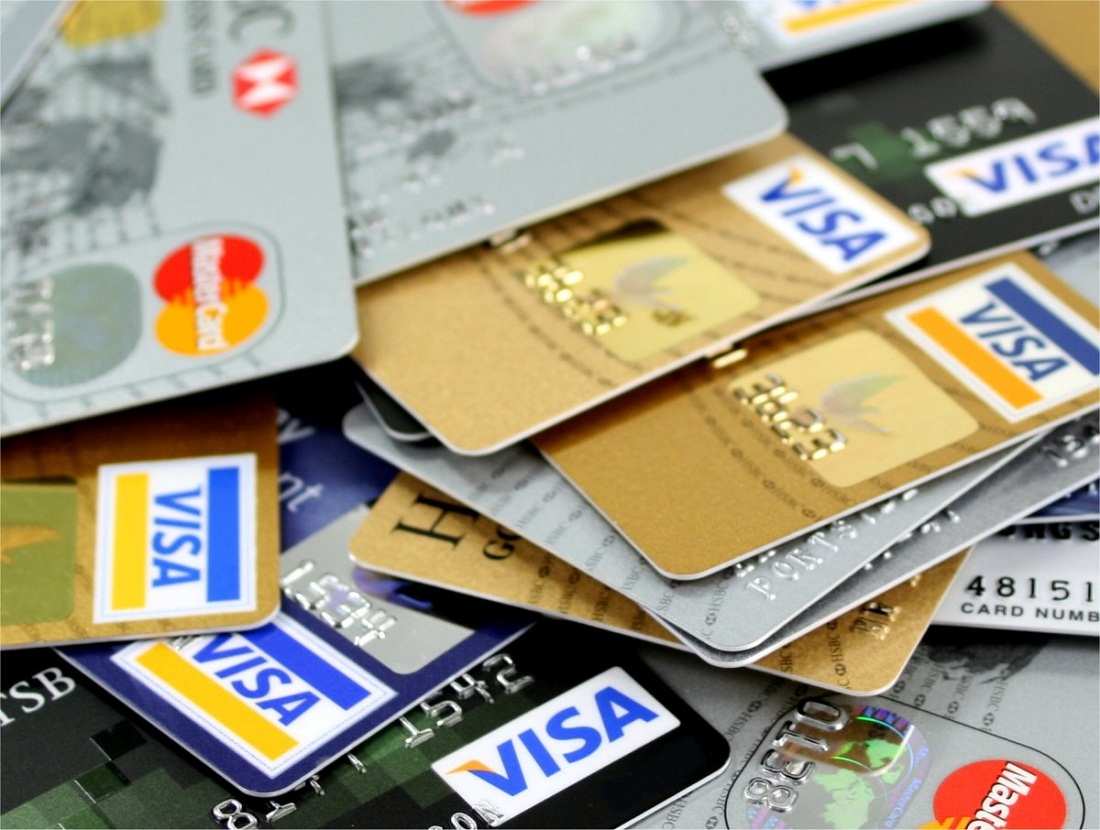
What Happens If You Never Pay Your Credit Card? (Explained)
FAQ
What happens if you never pay a credit card bill?
What happens if credit card bill is not paid?
Can a credit card company take you to court?
What happens if I ignore credit card payments?
What happens if I don’t pay my credit card bill?
Consequences for missed credit card payments can vary depending on the card issuer. But generally, if you don’t pay your credit card bill, you can expect that your credit scores will suffer, you’ll incur charges such as late fees and a higher penalty interest rate, and your account may be closed.
What happens if I don’t pay my credit card minimum payment?
If 180 days go by and you still haven’t paid your credit card’s minimum payment, the issuer can charge off your account. This means that the creditor closes your account to future purchases and writes your debt off as a loss. You’re still responsible for paying the amount owed, though.
What happens if I stop paying my credit card?
It’s easy for a credit card balance to double or triple once you stop making payments on it. At first, you may get an overdue notice in the mail. That’s easy to ignore. Then, the credit card issuer may call you or send you email or text messages. Receiving calls and messages about an overdue bill can be stressful.
What if I miss a credit card payment?
It’s always a good idea to contact your credit card issuer if you are going to miss a payment because it may offer financial assistance. Whether the reason is a layoff, a medical emergency or a pile of debt that is more than you can afford, struggling to pay credit card bills is a problem many people face.
What if I Can’t Make my credit card payment?
If you can’t make your minimum payment, start by contacting your credit card company’s hardship department. If you have a true temporary hardship — such as a layoff — but you previously paid your bills on time, your creditor may work out a payment plan for you.
What happens if you get behind on your credit card payments?
Credit cards have high rates to begin with, but they can get even worse. If you get behind on your payments, the card issuer can apply a penalty APR. Card issuers normally do this when a payment is at least 60 days late. The penalty APR depends on the card, but 29.99% is the typical rate. This could tack on hundreds of dollars in interest charges.
