Getting hit with an unexpected ambulance bill can be a huge shock. But do you actually have to pay it? The answer is – it depends. There are certain situations where you may be able to get out of paying, while in others, you’ll be on the hook no matter what. In this comprehensive guide, we’ll walk through when you do and don’t have to pay an ambulance bill, how to negotiate costs if you do owe, and tips for avoiding surprise charges in the first place.
When You Don’t Have To Pay
First, let’s cover the instances in which you may be able to legally refuse an ambulance bill.
The Ambulance Wasn’t Medically Necessary
If the ambulance ride wasn’t medically necessary, you typically won’t be responsible for the charges. For example, if someone calls 911 when you faint, but you regain consciousness quickly and refuse transport, you shouldn’t get a bill. Generally, if your condition didn’t require an ambulance trip to the ER, you can dispute the charges.
The Ambulance Took Too Long
In some cases, an ambulance response time is deemed unreasonable, and you may not have to pay. If you suffered a medical emergency but had to wait an extremely long time for the ambulance to arrive, you may be able to successfully dispute the bill. However, acceptable response times vary by state, so check your local laws
You Weren’t Offered A Choice
If you weren’t given an option and were forced to take an ambulance when it wasn’t medically necessary, you may be able to avoid paying. But this typically only applies if ambulance transport wasn’t actually needed – if it was required, you’ll still owe even without a choice.
You Were Overcharged
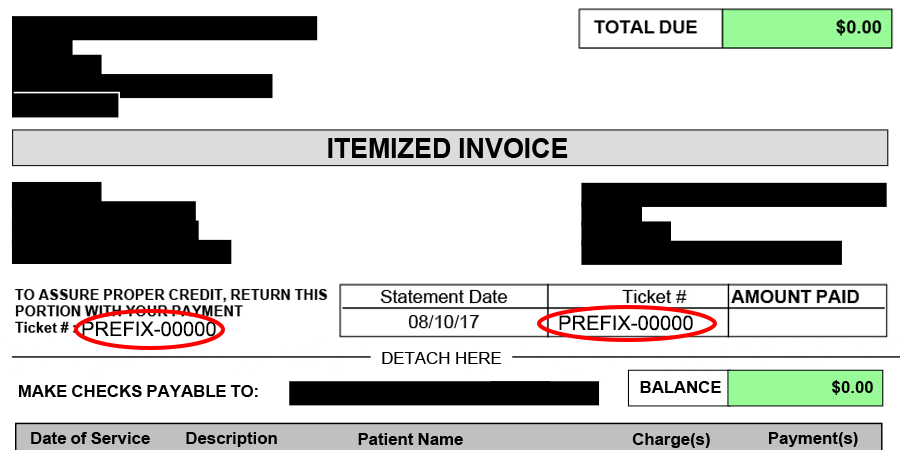
If the ambulance company made a billing error and overcharged you, you can dispute the incorrect charges. Always request an itemized breakdown of fees so you can identify and challenge any mistakes.
Financial Hardship
If paying the bill would cause serious financial strain, you can ask for a payment plan or deferred billing. Most ambulance companies are willing to work with patients who demonstrate inability to pay the full amount upfront.
When You Will Owe
Now let’s look at the more common situations in which you’ll be stuck with the ambulance bill:
It Was Medically Necessary
If the ambulance trip was determined to be medically necessary, you will be responsible for the cost. This is the case regardless of who called 911 – whether it was you, a bystander, or your doctor.
It Was In-Network
If the ambulance company is in-network with your health insurance, you’ll owe any copays or coinsurance required by your plan. This could be 20% or more of the total charges.
It Was Out-Of-Network
Out-of-network ambulances are extremely common. Since 911 dispatchers send the closest emergency transport available, it’s rarely an in-network provider. In these cases, you’ll likely owe the balance remaining after your insurer pays their portion, which could total hundreds or thousands of dollars.
Your Insurance Declined To Pay
Insurers have the right to determine if an ambulance ride was “medically necessary” according to their own criteria. If they decide it wasn’t, they can refuse coverage entirely, leaving you with the whole bill. This is most common with air ambulances.
Limited State Protections
While many states have laws against surprise ambulance bills, they only cover residents with state-regulated plans. Those with employer-sponsored or federal insurance aren’t protected. So depending on your policy, state surprise billing laws may not offer recourse.
As you can see, in most scenarios, you will end up being responsible for at least part of the ambulance bill. Very rarely will you be able to avoid it completely. So how can you handle the costs if you do get stuck owing?
Negotiating & Paying Your Ambulance Bill
If you receive an ambulance bill you can’t afford, don’t panic. You have options, including:
-
Get an itemized bill – This allows you to verify and dispute any incorrect charges
-
Negotiate with the provider – Many will lower or waive fees for prompt or partial payment
-
Use payment plans – Most ambulance companies will work out installments if you can’t pay in full
-
Appeal insurance denials – Fight back if your insurer refuses coverage for a medically necessary transport
-
Apply for financial assistance – If offered, submit an application showing financial hardship
-
Seek legal advice – Consult a lawyer to understand your rights under state and federal law
With some perseverance and negotiation, you can often get the total ambulance bill lowered substantially.
Avoiding Surprise Charges
The best way to sidestep exorbitant ambulance bills is to avoid taking one unless absolutely necessary. While it’s smart to call 911 for critical injuries or symptoms, you can prevent unnecessary transports by:
-
Refusing care if you feel fine – Don’t let EMTs pressure you if you declined ambulance transport
-
Taking an Uber or taxi – For non-emergencies, it’s often cheaper than an ambulance
-
Calling your doctor first – They can advise if an ambulance is needed for your symptoms
-
Having someone drive you – If safe to do so, get a ride to the ER instead of an ambulance
-
Checking network status – Know which ambulance companies are in-network in your area
With sky-high bills, it’s no wonder many people want to skip the ambulance. Yet if your life could be at risk, don’t let potential costs stop you from seeking emergency care. Simply be aware of your options to avoid and negotiate surprise charges.
Getting slammed with a huge ambulance bill can be alarming and financially devastating. But in many cases, through careful negotiation and perseverance, you can significantly reduce what you actually end up owing. Don’t be afraid to speak up, dispute errors, and push back against insurance denials. With the right approach, you can reach a fair outcome – and hopefully dodge some of the more egregious charges ambulance companies try to bill.
Q&A: Paying For Ambulance Services
FAQ
How much does an ambulance cost in the US?
How does ambulance billing work?
What should I do if I can’t pay my ambulance Bill?
If you’re unable to pay your ambulance bill, request deferred billing or set up a payment plan from the company. Most ambulance companies are willing to work with patients who can demonstrate an inability to pay for services in full at the time of service (5 .When you can’t afford to pay the bill ).
Should you pay for an ambulance if you don’t need one?
1. When the ambulance was not medically necessary. If you didn’t require medical assistance and called for an ambulance, you may not have to pay the bill. For example, if you fainted at work and your coworkers called an ambulance, but you were fine by the time they arrived, you should not have to pay for the ride.
Do you pay for an ambulance ride if you’re not insured?
Even if you’re transported for an emergency, you will likely pay for a portion of the ambulance ride through a copayment, deductible and coinsurance. You may pay even more if your health insurance company doesn’t contract with the ambulance company. Offers plans in all 50 states and Washington, D.C. About 1.2 million $20
Will insurance pay for ambulance services if a patient refuses treatment?
“Only if the patient gets transported will the insurance company, whether private or Medicare or Medicaid, reimburse for the transportation to the hospital emergency room.” She said there are some private, for-profit ambulance agencies that will bill for responding to a scene, even if the patient refuses treatment and/or transportation.
What should you do if your ambulance bill is out-of-network?
Ambulance providers are often willing to cut a deal, such as 40% off in a person pays by the end of the day, said Kelmar, who advised putting such charges on a high-interest credit card. 3. Make sure the bill went through insurance. Even out-of-network, insurance plans would pay a portion akin to a negotiated rate, so make sure that has occurred.
Can I dispute a ambulance Bill?
You may be able to dispute a ambulance Bill if, for example, it took an hour for the ambulance to arrive. Check your local laws before attempting to dispute the charges, as the standards for what is considered reasonable vary from state to state.
